Thermal Shock Chambers for Reliability Testing
Rapid temperature cycling from -80°C to +220°C. Validate product durability, expose hidden defects, and meet the most demanding environmental test standards.
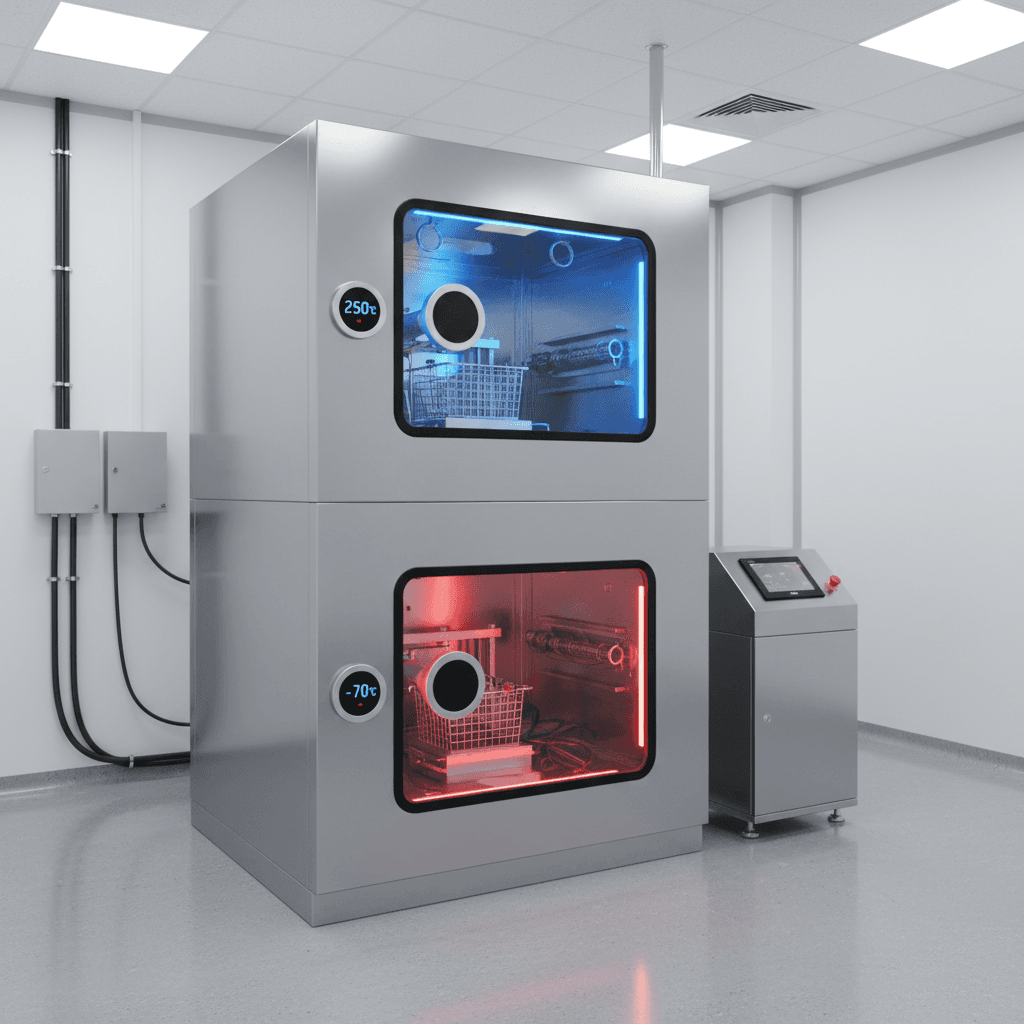
What Is a Thermal Shock Chamber?
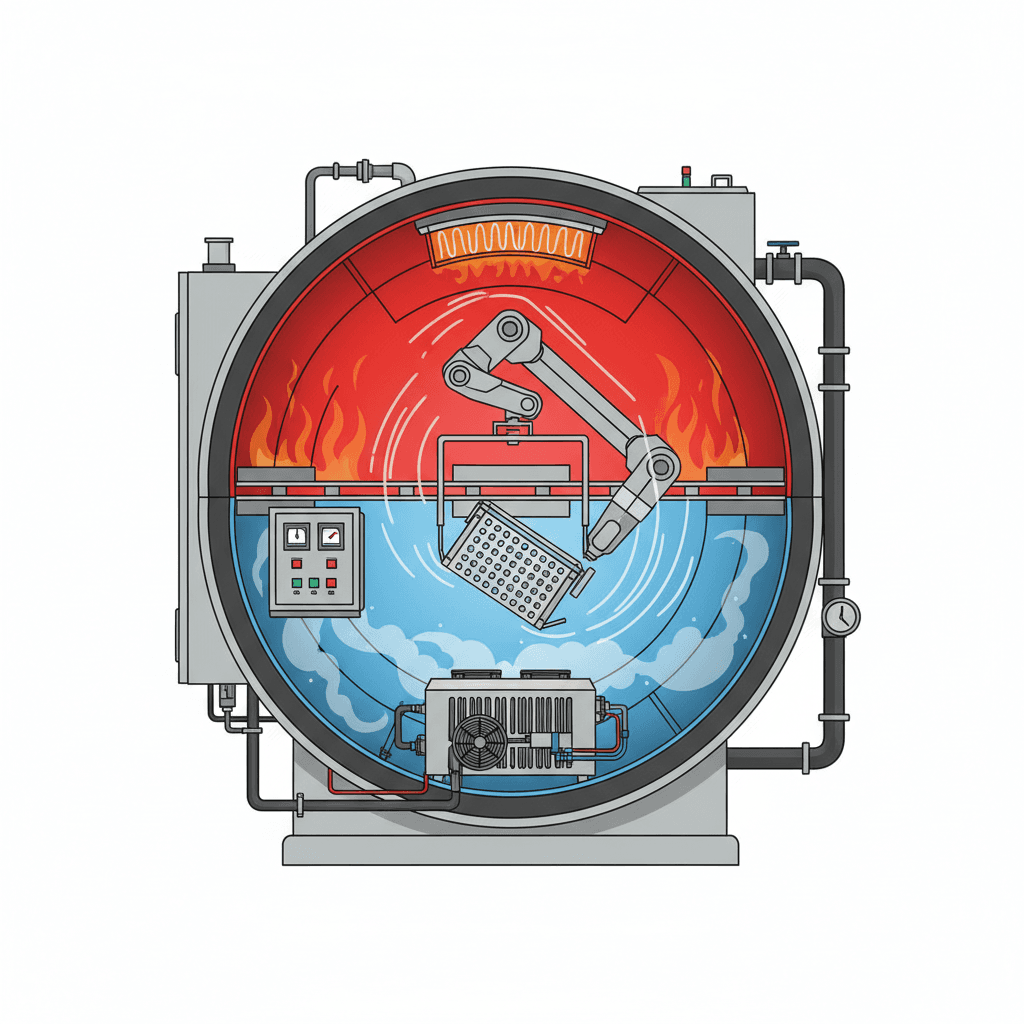
A thermal shock chamber subjects products and materials to sudden, extreme temperature changes by rapidly transferring them between pre-conditioned hot and cold zones. Unlike conventional environmental chambers that ramp temperature gradually, thermal shock chambers replicate the abrupt thermal transitions that cause solder fatigue, delamination, seal failures, and cracking in real-world service.
Modern thermal shock chambers use either a basket transfer mechanism (physically moving specimens between zones) or an air-to-air valve system (switching heated and cooled air streams). Both approaches achieve transition times under 10 seconds, the threshold required by most military and commercial test standards.
The result: accelerated lifetime testing that compresses months or years of field exposure into hours, giving engineers the failure data they need before products ship.
Key Capabilities
Purpose-built for accelerated reliability testing across electronics, automotive, aerospace, and medical device applications.
Rapid Temperature Transitions
Transfer test specimens between extreme hot and cold zones in under 10 seconds. Thermal transition rates exceeding 30°C per minute expose hidden material weaknesses that gradual cycling misses.
Programmable Test Profiles
Configure multi-zone dwell times, ramp rates, and cycle counts through intuitive touchscreen controls. Store and recall hundreds of test profiles for repeatable, standardized testing across production runs.
Standards Compliance Built In
Pre-loaded test profiles for MIL-STD-883, IEC 60068-2-14, JEDEC JESD22-A104, and ISTA temperature cycling standards. Audit-ready data logging with timestamped records for every cycle.
Real-Time Monitoring & Data
Track chamber temperature, specimen temperature, transition time, and cycle count in real time. Export data to CSV or integrate directly with your LIMS for automated reporting and trend analysis.
Multi-Zone Architecture
Two-zone and three-zone configurations provide distinct hot, cold, and ambient compartments. Basket transfer or air-to-air designs accommodate everything from PCB assemblies to automotive components.
Extreme Range Capability
Temperature ranges from -80°C to +220°C cover the full spectrum of thermal shock requirements. LN2 boost options extend the cold end to -100°C for aerospace and military applications.
Industry Applications
Thermal shock testing is critical in any industry where products face rapid temperature changes during manufacturing, transport, or service.

Electronics & Semiconductors
Solder joint reliability, BGA package testing, PCB thermal fatigue analysis, and IC qualification per JEDEC standards.
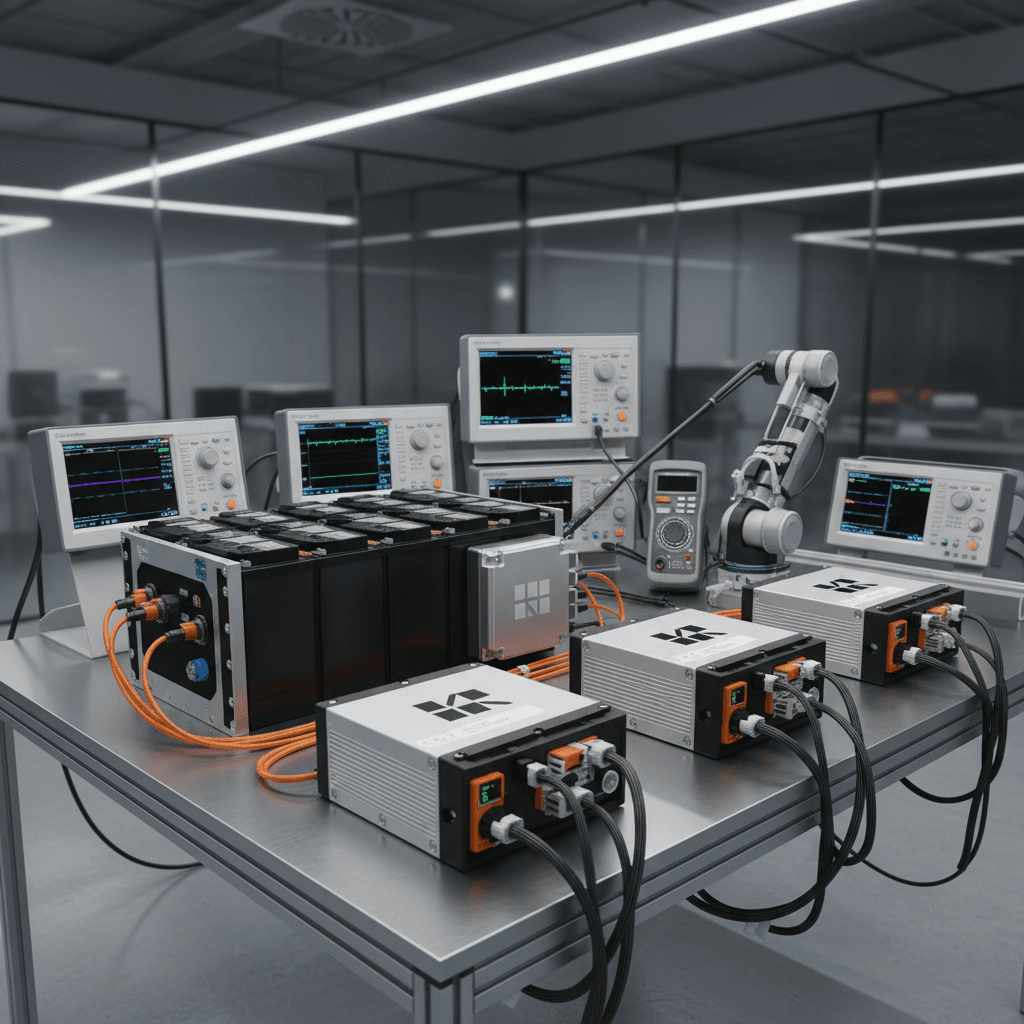
Automotive & EV
Battery module cycling, ECU validation, sensor durability, and powertrain component qualification under rapid thermal stress.
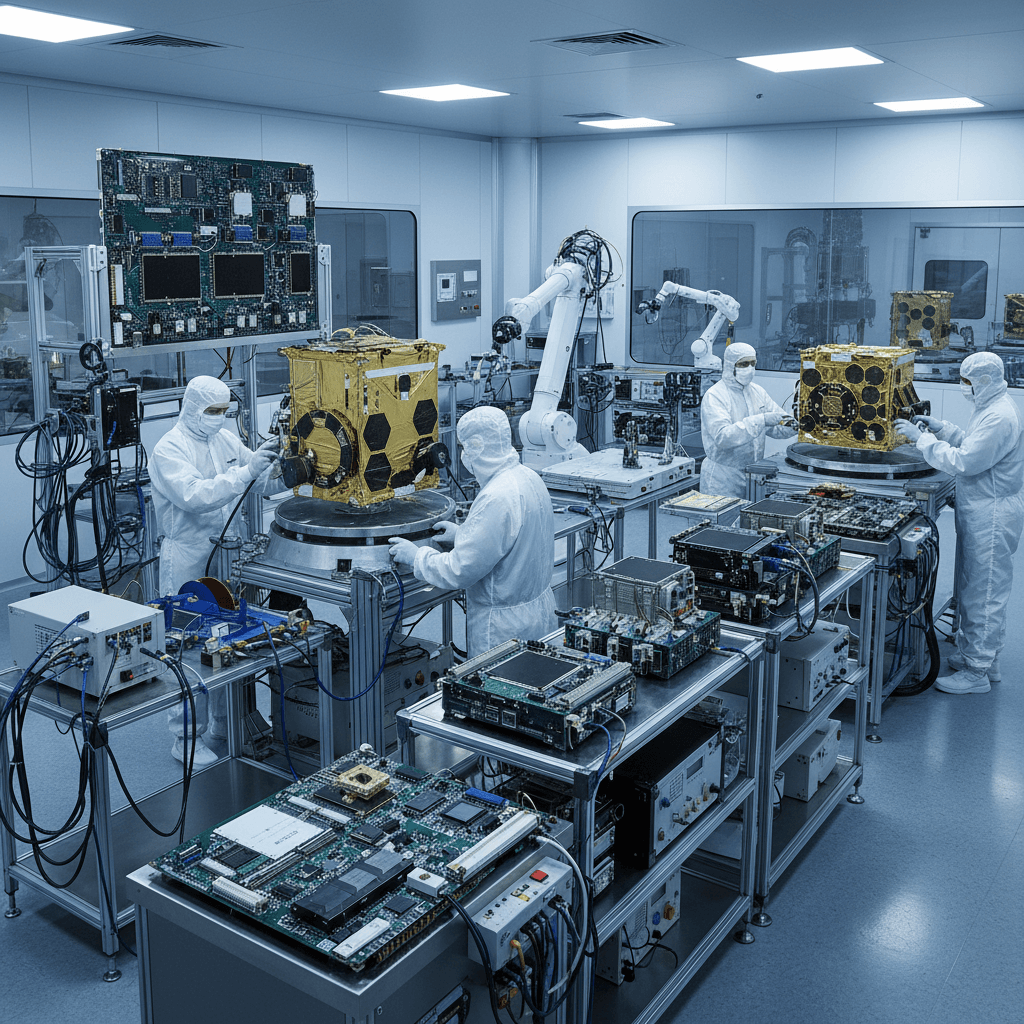
Aerospace & Defense
MIL-STD qualification for avionics, satellite components, and mission-critical assemblies exposed to extreme atmospheric transitions.

Medical Devices
Sterilization cycle validation, implant material fatigue testing, and packaging integrity verification under thermal extremes.
How Thermal Shock Testing Works
A straightforward process that delivers critical reliability data in hours instead of months.
Load Specimens
Place test units on the basket tray or specimen rack. Attach thermocouples for real-time temperature tracking.
Set Test Profile
Select a pre-loaded standard (MIL-STD, IEC, JEDEC) or program custom dwell times, zone temps, and cycle counts.
Run Cycles
The chamber automatically transfers specimens between hot and cold zones, logging transition times and temperatures each cycle.
Analyze Results
Export timestamped data to your quality system. Inspect specimens for solder fatigue, delamination, seal failure, or cracking.
Typical Specifications
Performance parameters vary by model and manufacturer. These represent common capabilities across leading thermal shock chamber platforms.
Information only. The guidance on this page is general and educational. It is not engineering or safety advice and does not replace the equipment manufacturer instructions, the test standards that apply to your product, or a qualified professional. Verify all information before relying on it. Read the full disclaimer.
Frequently Asked Questions
Get a Quote
Tell us about your testing requirements and we will connect you with the right thermal shock chamber solution.